You walk in the door, tired and hungry, and the last thing you want is a complicated cooking project. You need something that feels like a treat, but doesn't ask for much in return. You need a dinner hero.
This Miso Salmon is that hero. It’s the kind of dish that makes you feel like a kitchen genius with shockingly little effort.
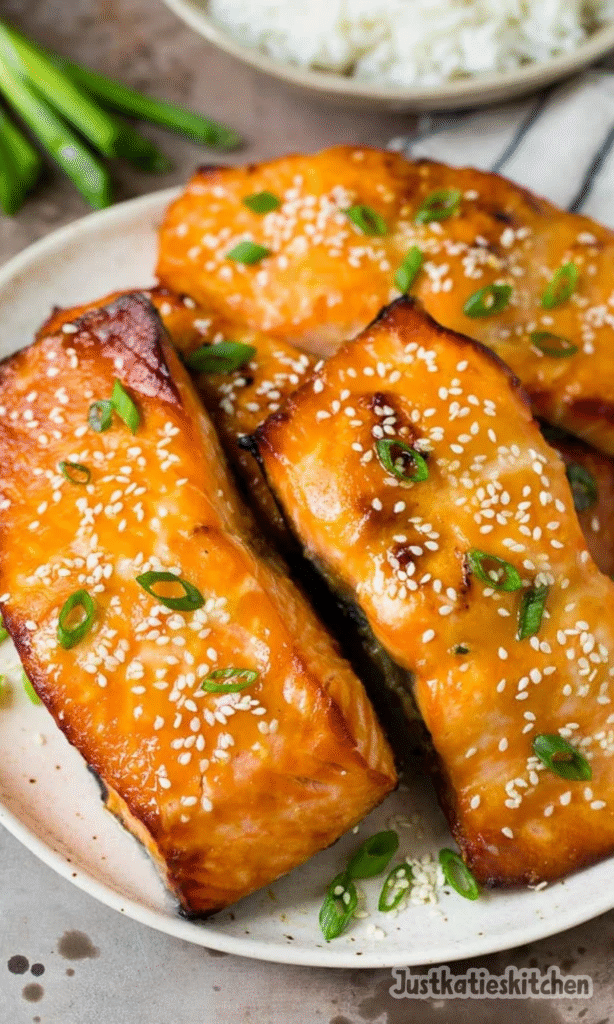
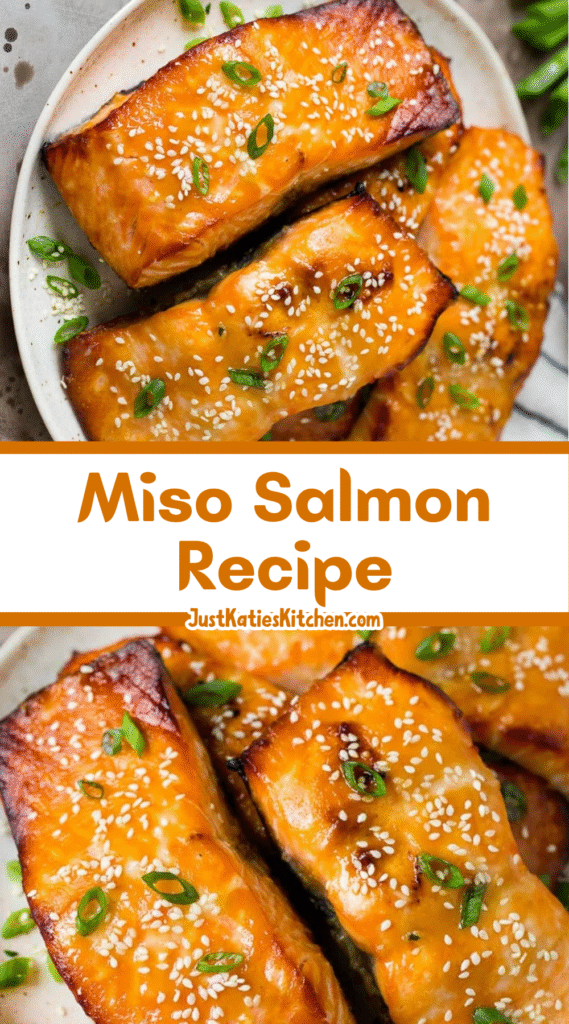
The magic is in the marinade. A simple, four-ingredient mixture transforms a humble piece of fish into something deeply savory, slightly sweet, and utterly luxurious. The outside gets a beautiful, almost caramelized crust under the broiler, while the inside stays impossibly moist and flaky.
It’s a recipe that promises—and delivers—a restaurant-quality meal on your table in about twenty minutes of active work. Once you try it, you'll understand why it's a staple in so many homes.
Why You'll Fall in Love With This Recipe
This isn't just another salmon recipe. It's a game-changer for busy weeknights. The process is wonderfully straightforward, with most of the "work" happening while the fish rests in the fridge.
You get to just walk away and let the flavors mingle. The result is a dish that’s packed with umami, that fifth taste sensation that makes food so deeply satisfying.
It’s also incredibly versatile. You can serve it over a bed of fluffy rice for a complete meal, flake it into a salad for lunch the next day, or even enjoy it cold. It’s a recipe that adapts to your life, not the other way around.
Best of all, it feels special. There's something about the glossy, bronzed finish of the miso that makes a simple Tuesday dinner feel like an occasion. It’s a surefire way to brighten up your routine.
Ingredients Needed for the Recipe
Gathering your ingredients is the first step to this simple, flavorful journey. Here’s what you’ll need, and why each one matters.
Skin-On Salmon Fillets: Aim for pieces about 1-inch thick. The skin is your secret weapon here—it acts as a protective barrier, keeping the delicate flesh from drying out under the intense heat of the broiler. You don't have to eat the skin, but please leave it on for cooking.
Miso Paste: This is the star. White (shiro) miso is recommended for its mild, slightly sweet flavor that’s widely accessible. It’s a fermented soybean paste that brings a deep, savory complexity you just can't get from anything else.
Sake: Use a drinking-quality sake if you can. It tenderizes the salmon ever so slightly and adds a subtle, clean acidity that balances the richness of the miso. It’s a key player in building layers of flavor.
Mirin: This sweet Japanese rice wine is the counterpoint to the salty miso and soy sauce. It provides a gentle sweetness that encourages beautiful caramelization on the surface of the fish as it cooks.
Soy Sauce: It amplifies the salty, umami notes and gives the marinade its signature savory backbone. A little goes a long way in creating that perfect balance.
Toasted Sesame Oil: We only use a tiny amount. Its job is purely aromatic, adding a nutty, warm fragrance that whispers in the background.
Garnishes (Sesame Seeds & Green Onion): These are optional, but highly recommended. The crunchy sesame seeds and fresh, sharp green onion provide the final textural and visual pop that makes the dish sing.
How to make Miso Salmon?
Don't let the short ingredient list fool you. The process here is all about technique, and each small step builds towards a spectacular result.
Step 1: Getting Your Salmon Ready
First, give your salmon a quick check. Run your fingers gently over the skin side to feel for any scales that might need scraping off with the back of a knife.
Then, feel the flesh for any tiny pin bones. If you find any, a pair of clean tweezers is the perfect tool to pull them out. This little bit of prep makes for a much more enjoyable eating experience later.
Step 2: Creating the Magic Marinade
In a bowl just large enough to hold your salmon, combine the miso, sake, mirin, soy sauce, and that few drops of sesame oil. Whisk it all together until it’s completely smooth.
You’ll have a thick, fragrant paste. This is the flavor powerhouse that will work its way into the salmon, so make sure everything is well incorporated.
Step 3: The Marinating Process
Place your salmon fillets into the bowl, skin-side up. Use a spoon to slather the marinade over every bit of the flesh and the sides.
Don't be shy—get it all coated. Then, cover the bowl and let it rest in the refrigerator. This is the waiting game. One to two hours is the sweet spot.
It gives the fish enough time to soak up all that goodness without becoming too salty. Trust the process.
Step 4 : Prepping for the Broiler
When you're almost ready to cook, take the salmon out of the fridge. This is a crucial step: you must scrape off all the excess marinade.
Miso burns easily under high heat, and we want a beautiful bronze color, not a bitter, blackened one. A small spatula or a butter knife works perfectly for this.
Step 5: The Art of Broiling
Position your oven rack so it’s about 9 inches from the top heating element. Turn your broiler to high and let it preheat for a solid 5 minutes. You want it seriously hot.
Line a baking sheet with aluminum foil (parchment paper can't handle the broiler's intensity) and give it a very light coating of oil to prevent sticking.
Place your salmon fillets skin-side down on the prepared sheet. Now, just slide it in.
Step 6 : Knowing When It's Perfectly Done
Broiling time will vary, but expect it to take between 10 to 13 minutes. You're looking for the top to be blistered in spots and a rich, golden-brown color.
The best way to know it's done? The salmon will flake easily with a fork. For the most precise result, an instant-read thermometer is your best friend. You're aiming for about 125-130°F in the thickest part.
Remember, the fish will continue to cook a bit after you take it out, so pull it just before it looks completely done to your liking.
Best Time to Serve This Dish
This miso salmon is truly an any-night-of-the-week champion. Its quick cooking time makes it ideal for those hectic evenings when takeout is tempting, but a homemade meal feels far more rewarding.
It’s also elegant enough for weekend entertaining. Imagine serving this to friends—they’ll be so impressed, and you’ll know the secret of how simple it really was.
It’s a fantastic make-ahead option, too. You can marinate the fish in the morning before work, then all you have to do when you get home is pop it under the broiler. Dinner is ready in the time it takes to set the table and steam some rice.
Ingredient Substitutions
Don't have every single ingredient? Don't panic. You can still make a fantastic version of this dish with a few clever swaps.
If you can't find mirin, a half-and-half mix of maple syrup and dry white wine can stand in. It won't be identical, but it will provide that needed sweetness and complexity.
No sake? A dry sherry or even a light, dry white wine will work in a pinch. The goal is that mild alcoholic tang that helps tenderize and balance.
While white miso is preferred, yellow or even red miso can be used. Just be aware that darker misos are saltier and more intense, so you might want to use a tiny bit less.
Tips
A few small tricks can take your miso salmon from great to absolutely perfect. They're simple but make a world of difference.
Always, always use skin-on salmon. The skin is like a built-in shield against the high heat, ensuring the flesh underneath stays juicy and doesn't overcook. You can always leave it on your plate if you prefer.
Do not marinate the fish overnight. Miso is quite salty, and leaving it for too long can actually start to "cook" the exterior of the fish, giving it a tough, cured texture. A couple of hours is plenty.
Scraping off the marinade might feel wrong, but it's essential. If you want a sauce, you can simmer the leftover marinade with a tablespoon or two of water in a small pan until it thickens slightly, then drizzle it over the cooked fish.
Resist the urge to move the fish around while it's under the broiler. Let the heat work its magic. Opening the oven door lets out precious heat and can interrupt the caramelization process.
How to Store and Reheat
If you're lucky enough to have leftovers, they store beautifully. Let the salmon cool completely, then place it in an airtight container in the refrigerator. It will keep for up to three days.
Reheating is where many go wrong. The microwave is the enemy of leftover fish, often turning it rubbery and dry. Instead, gently warm it in a 300°F oven.
Place the salmon on a baking sheet and cover it loosely with a damp paper towel. This introduces just enough steam to reheat it without sapping its moisture. It should take about 10-15 minutes.
You can also enjoy it cold! Flake the leftover salmon over a fresh green salad or into a rice bowl for a fantastic next-day lunch. It’s just as delicious.
What to Serve With Miso Salmon
This salmon is rich and flavorful, so it pairs beautifully with simple, clean sides that complement without competing.
Steamed white rice or brown rice is the classic, and for good reason. It’s the perfect neutral canvas to soak up any delicious juices from the fish. A side of simply steamed broccoli or snap peas adds a fresh, green crunch.
For a more Japanese-inspired meal, try serving it with a small bowl of miso soup and a simple cucumber sunomono salad. The lightness of the soup and the bright vinegar of the salad create a wonderfully balanced plate.
If you're feeling a bit more adventurous, a ginger-based rice, where you sauté fresh ginger with the rice before adding water, is an absolute dream pairing. The spicy, aromatic ginger cuts through the richness of the miso in the most delightful way.
Why Broiling is a Game-Changer for Salmon
If you've only ever baked salmon, you're in for a treat. Broiling is a fantastic, and often underused, cooking method for fish.
Think of your broiler as an upside-down grill. It delivers intense, direct heat from above. This high heat works quickly, searing the surface and creating that gorgeous, caramelized crust we're after.
Because it cooks so fast, the inside of the fish doesn't have time to dry out. It stays remarkably moist and tender. Baking, on the other hand, uses a more gentle, all-over heat that takes longer and can sometimes leave the fish a bit drier.
Broiling gives you that "restaurant finish" with very little effort. It's a technique worth mastering, and this miso salmon is the perfect recipe to start with.
This Miso Salmon is marinated in a sweet and savory blend of Japanese pantry staples and broiled until the outside is golden and crisp while the inside stays tender and moist. Ready in just 20 minutes (plus marinating), it’s a nutritious, restaurant-quality dish you’ll want to make again and again—especially paired with ginger rice.
ingredients
2 skin-on salmon fillets (¾ lb total, 4–6 oz each, less than 1 inch thick)
For the Marinade
2Tbsp white miso paste (shiro miso preferred)
1Tbsp sake (or dry sherry / Chinese rice wine)
1Tbsp mirin
1Tbsp soy sauce (Japanese preferred)
0.25tsp toasted sesame oil
For the Garnish (optional)
0.5tsp toasted sesame seeds (black and white mix)
1 green onion (thinly sliced)
Instructions
1
Check salmon fillets for pin bones and scales. Remove bones with tweezers and scrape off any scales with the back of a knife.
2
In a bowl, whisk together miso, sake, mirin, soy sauce, and sesame oil to make the marinade.
3
Place salmon skin-side up in a shallow dish. Spoon marinade over flesh, coating evenly. Cover and refrigerate for 1–2 hours (do not marinate overnight—it’s too salty).
4
Preheat broiler to high (550°F / 290°C). Position oven rack 9 inches below the heating element. Line a baking sheet with aluminum foil and lightly oil it.
5
Scrape off all excess marinade from salmon (miso burns easily). Place fillets skin-side down on the prepared baking sheet.
6
Broil for 10–13 minutes, or until internal temperature reaches 125–130°F (52–54°C) and flesh flakes easily. Do not flip.
7
Optional: For extra glaze, simmer leftover marinade with 1–2 tsp water for 2 minutes, then drizzle over cooked salmon.
8
Garnish with sesame seeds and green onion. Serve immediately with ginger rice or your favorite sides.
Nutrition Facts
Servings 2
Serving Size 1 fillet
Amount Per Serving
Calories380kcal
% Daily Value *
Total Fat24g37%
Saturated Fat4.5g23%
Cholesterol95mg32%
Sodium1100mg46%
Potassium680mg20%
Total Carbohydrate6g2%
Dietary Fiber1g4%
Sugars3g
Protein34g68%
Calcium 40 mg
Iron 1.5 mg
* Percent Daily Values are based on a 2,000 calorie diet. Your daily value may be higher or lower depending on your calorie needs.
Note
Don’t skip the skin: It protects the fish from drying out during broiling.
Marinate just right: 1–2 hours is ideal. Longer = overly salty.
Baking option: Bake at 425°F (220°C) for 18–20 minutes if you don’t have a broiler.
Storage: Keep in an airtight container for up to 3 days in the fridge or 1 month frozen.