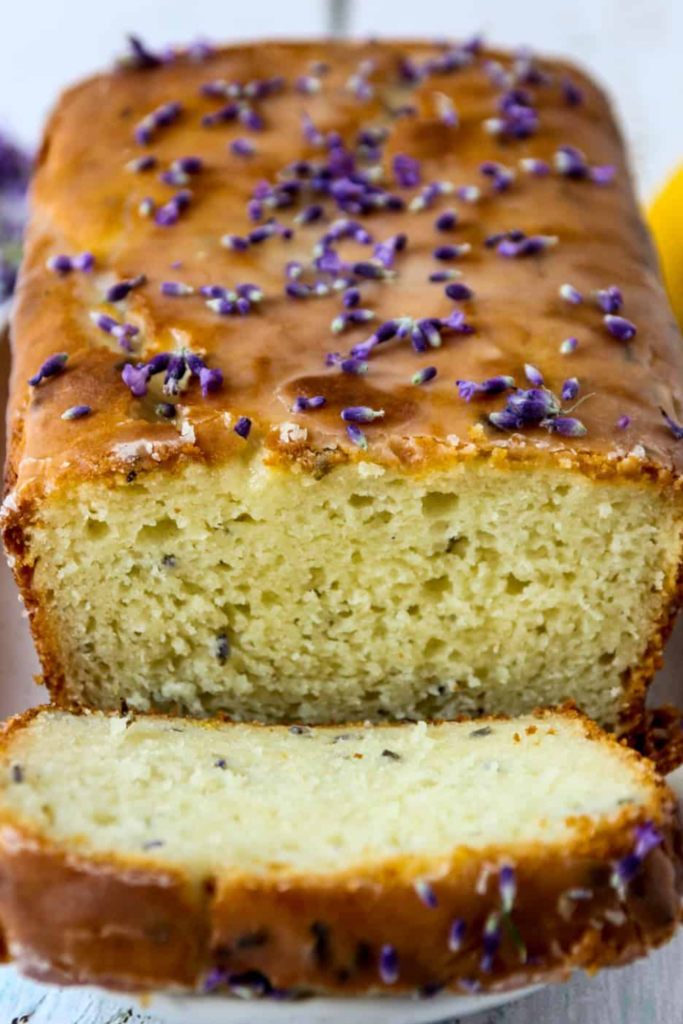
I didn’t grow up eating floral desserts, so the first time I baked with lavender I was honestly a little nervous. Flowers in cake felt like something that could go wrong fast. But once I figured out the balance, this Lemon Lavender Cake completely won me over.
It’s soft, tender, and bright with lemon, but there’s this gentle herbal note that makes it feel special without being fussy. Not fancy bakery special. More like the kind of thing you bake on a slow afternoon when you want your kitchen to smell incredible.
I make this when I want something different from chocolate or vanilla, and also when I need a dessert that feels light but still satisfying. It’s the kind of cake people ask about after the first bite because they can’t quite place that flavor.
And I like that it’s simple. No complicated steps. No dragging out heavy equipment. Just bowls, a whisk, and a little patience while it bakes.
What I Learned About Baking With Lavender
Lavender is actually an herb, just like rosemary or thyme. That helped me stop thinking of it as perfume and start thinking of it as an ingredient. Once I approached it that way, everything clicked.
The key is using culinary lavender that hasn’t been treated with anything. If it smells soft and slightly sweet, you’re good. If it smells sharp or medicinal, use less. I learned that the hard way after one very overconfident attempt.
Dried lavender is stronger than fresh. That means restraint matters. A little gives the cake a calm floral warmth. Too much makes it taste like soap, which is not the goal and not something you can fix once it’s baked.
Paired with lemon, though, lavender settles down beautifully. The citrus keeps everything fresh and bright so the flavor never feels heavy.
Ingredients I Used for the Recipe
- 1 ½ cups all-purpose flour - This builds the structure of the cake and keeps the crumb soft but stable.
- 2 teaspoons baking powder - Helps the cake rise so it stays light instead of dense.
- ½ teaspoon salt - Just enough to balance the sweetness and sharpen the flavors.
- 1 cup plain full-fat or Greek yogurt - This is what makes the cake incredibly moist and gives a subtle tang.
- 1 cup granulated sugar - Sweetens the cake and helps create that tender texture.
- 2 large eggs - They hold everything together and add richness.
- ½ cup extra virgin olive oil - Keeps the cake soft for days and adds a delicate flavor that works perfectly with lemon.
- ½ teaspoon vanilla extract - Rounds out the floral and citrus notes so nothing tastes sharp.
- 3 tablespoons culinary lavender buds, divided - Infuses the cake with its signature flavor without overpowering it.
- 1 cup icing sugar - Forms the smooth lemon glaze that soaks slightly into the top.
- Juice and zest of one fresh lemon - Brings brightness and balances the sweetness.
How to make Starbucks Medicine Ball Recipe?
Step 1 - Get the Oven Ready
I start by preheating the oven to 350°F and lightly coating a loaf pan so nothing sticks. I used to skip proper greasing and regretted it every single time.
Step 2 - Mix the Dry Ingredients
In a medium bowl, I whisk together the flour, baking powder, and salt. This step looks small, but it keeps the cake from baking unevenly.
Step 3 - Combine the Wet Ingredients
In a larger bowl, I whisk the yogurt, sugar, eggs, olive oil, vanilla, and most of the lavender buds. The batter already smells good here, which always feels like a sign things are going right.
Step 4 - Bring Everything Together
I fold the dry mixture into the wet ingredients slowly. Not aggressively. Just enough mixing so there are no dry pockets. Overmixing makes the cake tough, and I learned that lesson after one rubbery loaf.
Step 5 - Transfer to the Pan
The batter goes into the prepared pan, smoothed gently across the top. It’s thick but pourable, which is exactly what you want.
Step 6 - Bake Until Golden
I bake it for about 45 minutes, until a toothpick comes out clean. Around the 30 minute mark the kitchen smells like lemon and herbs, and that’s usually when I start hovering near the oven.
Step 7 - Let It Cool Properly
I let the cake rest in the pan for about 10 minutes, then move it to a rack to cool completely. Glazing too early leads to a melted mess. Yes, I have done that.
Step 8 - Make the Lemon Glaze
I stir together the icing sugar with fresh lemon juice and zest until smooth. It should be thick but pourable, like heavy cream.
Step 9 - Finish the Cake
I spoon the glaze over the cooled cake and sprinkle the remaining lavender buds on top. That final touch makes it smell amazing before you even slice it.
Tips
Use room temperature eggs if you can. They blend into the batter more smoothly and help the cake bake evenly. If I forget, I just place them in slightly warm water for a few minutes.
Don’t overdo the lavender. More is not better here. Start with the suggested amount and trust it. The flavor blooms as the cake bakes.
Olive oil instead of butter keeps the texture soft for days. This cake actually tastes even better the next morning, which is rare and wonderful.
You can bake this in different pans if needed. A round pan or even a bundt works, just keep an eye on baking time since thinner cakes finish faster.
Let the glaze set before slicing. It soaks slightly into the top and creates this delicate crust that I really love.
Store it in an airtight container at room temperature for up to three days. Though honestly, mine has never lasted that long.
The Way This Cake Feels to Serve
This isn’t a towering layer cake meant for big celebrations. It’s quieter than that. I make it for slow weekends, casual dinners, or afternoons when I want something homemade but not complicated.
The texture is what keeps me hooked. Moist without being heavy. Sweet but balanced by lemon. And that lavender note lingers just enough to make each bite interesting.
Sometimes I serve it plain. Sometimes with tea. Once I brought it to a gathering where people kept trying to guess the flavor, which was oddly satisfying.
It’s the kind of recipe that makes baking feel relaxed again. No pressure. No perfection. Just a really good cake that smells like you spent far more effort than you actually did.
And every time I bake it, I’m reminded that simple ingredients can still surprise you when you put them together the right way.