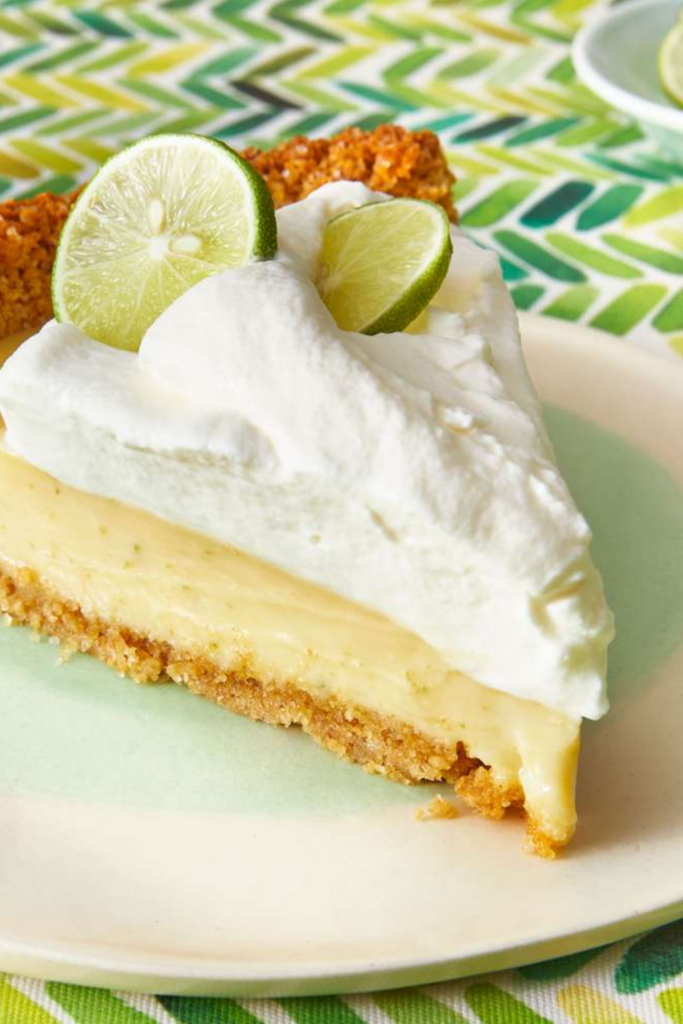
I have baked a lot of desserts that looked great and then completely fell apart when sliced. This is not one of those desserts. This pie behaves. It sets up beautifully, slices clean, and somehow feels both rich and light at the same time.
The first time I made it, I expected it to be fussy. Citrus desserts sometimes are. But this one surprised me. No complicated steps, no guessing, no drama. Just mix, bake, chill, and suddenly you have something that tastes like you tried way harder than you actually did.
I also love that it works year round. Yes, it screams summer, but I have absolutely served this in the middle of winter when everything felt heavy and beige and needed brightening up.
What really hooked me is the balance. Sweet, tart, creamy, a little buttery crunch from the crust. Nothing overwhelms. Every bite just feels finished, like it knows exactly what it is supposed to be.
Ingredients I Used for the Recipe
- 1½ cups finely crushed graham cracker crumbs - this forms the base and gives that slightly sandy texture that holds together when sliced.
- ⅓ cup light brown sugar - adds warmth and a subtle caramel note to keep the crust from tasting flat.
- 4 tablespoons unsalted butter, melted - binds the crumbs so the crust presses firmly into shape.
- Two 14-ounce cans sweetened condensed milk - the heart of the filling, making it creamy, smooth, and naturally sweet.
- 1 cup plain Greek yogurt - adds a gentle tang and keeps the filling from feeling too heavy.
- 1 tablespoon fresh lime zest - brings bright citrus aroma that you cannot get from juice alone.
- ¾ cup fresh lime juice - gives the pie its signature tart flavor, about 8 to 10 regular limes.
- 1 cup cold heavy cream - whipped for a soft topping that balances the sharpness of the filling.
- 2 tablespoons confectioners' sugar - lightly sweetens the whipped cream without making it stiff.
- 1 teaspoon lime zest for garnish - a little extra freshness right at the end.
- 8 to 10 thin lime slices - optional, but they make the pie look finished and inviting.
Let Me Talk About the Limes for a Second
I use regular grocery store limes. I know the debate. But tiny specialty limes are hard to find and honestly not worth squeezing a mountain of fruit for. The flavor still comes out vibrant and authentic.
The key is using fresh juice. Bottled juice tastes flat and a little harsh. When you zest and juice real limes, the smell alone tells you the pie is going to be good.
I always zest first. Learned that the hard way after trying to zest a squeezed lime. Not my finest kitchen moment.
How to make Starbucks Medicine Ball Recipe?
Step 1 - Mix the Crust
I stir together the graham cracker crumbs, brown sugar, and melted butter. I start with a fork, then switch to my hands because it is faster and I can feel when everything is evenly coated.
The texture should feel like damp sand. If it looks dry, it will not hold. If it is too wet, it turns dense after baking.
Step 2 - Press It Into the Pan
I dump the mixture into a 9-inch pie pan and press it firmly along the sides first, then the bottom. Using the bottom of a measuring cup helps pack it tightly without overthinking it.
This step matters more than people think. A loose crust crumbles later. Press like you mean it.
Step 3 - Bake the Crust Briefly
I bake it for about 10 minutes until it smells toasty and looks slightly darker. This quick bake locks everything together so it stays crisp once the filling goes in.
Then I let it cool while I make the filling. No rushing here.
Step 4 - Zest and Juice the Limes
I zest all the limes first, then cut and juice them. Fresh juice makes a huge difference in flavor. It should smell sharp and clean, not dull.
I usually need around 8 or so limes, depending on size. I always buy extra just in case.
Step 5 - Whisk the Filling Together
In a large bowl, I whisk the sweetened condensed milk, Greek yogurt, lime zest, and lime juice until smooth. The mixture thickens almost instantly, which still feels like kitchen magic.
No eggs, no complicated technique. Just whisk until creamy.
Step 6 - Fill the Crust and Bake Again
I pour the filling into the warm crust and smooth the top. It goes back into the oven for about 15 minutes, just until set but still slightly wobbly in the center.
That little wobble is exactly what you want. Overbaking makes it dense.
Step 7 - Cool and Chill Completely
I let the pie cool at room temperature for about 30 minutes, then refrigerate it for at least 3 hours. Longer is even better.
This is the hardest part because it smells amazing and you cannot eat it yet.
Step 8 - Whip the Cream and Finish
I whip the cold heavy cream until soft peaks form, add the confectioners' sugar, and whip a little more until it holds shape but still looks soft.
Then I pile it onto the chilled pie and add lime zest and slices. It suddenly looks like something from a bakery case.
What I Learned After Making This More Times Than I Planned
This pie is all about patience. Not effort. Every time I tried to rush the chilling stage, I regretted it when the slices looked messy. Giving it time makes it slice like a dream.
I also learned not to overthink the crust. It is supposed to be simple. The slightly rustic texture is part of the charm.
And I used to make the whipped cream hours ahead. Bad idea. It deflates. Now I whip it closer to serving time and it stays fluffy.
One more thing. This pie tastes even better the next day. The flavors settle and mellow in the best way.
Tips
- Zest your limes before juicing. It saves frustration and gives better flavor distribution.
- Press the crust firmly so it holds together when slicing.
- Do not overbake the filling. A slight jiggle means it will stay creamy.
- Chill longer than you think you need. Cold pie equals clean slices.
- Use fresh lime juice only. It is the difference between good and truly bright flavor.
- Add whipped cream shortly before serving for the best texture.
- Wipe your knife between slices to keep each piece neat.
This is one of those desserts that feels nostalgic even if you did not grow up eating it. It is straightforward, comforting, and always welcome on the table. I make it when I want something reliable, something that makes people pause mid bite and smile a little.
And honestly, that is the kind of recipe I keep coming back to. Not flashy. Just really, really good.