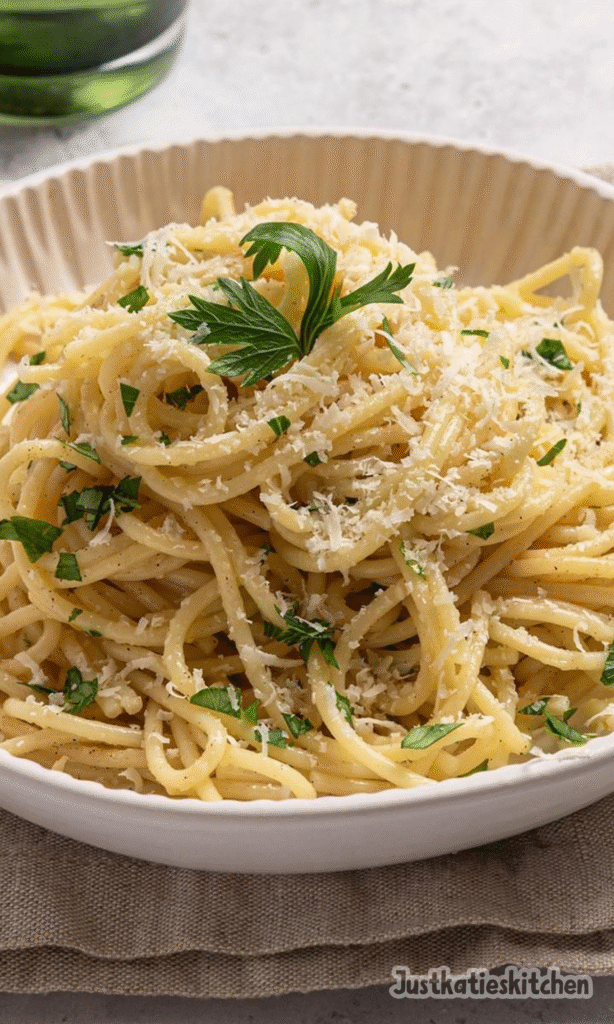
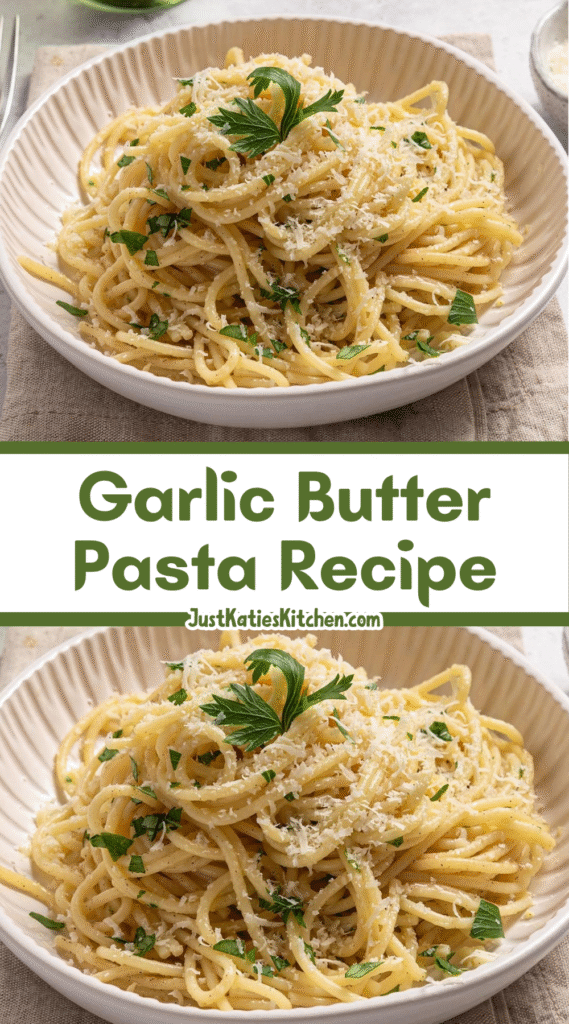
Let’s be honest. Some of the very best things in life are also the simplest. This garlic butter pasta is living, delicious proof of that.
It’s the kind of meal you can whip up in 20 minutes on a hectic Tuesday, yet it feels like a warm, buttery hug in a bowl. It’s uncomplicated, yes, but it holds a stunning amount of flavor that will absolutely win you over.
Why This Recipe Will Become Your Go-To
You know those recipes that just work? The ones you don't need to think about, the ones that never let you down? This is one of those.
It relies on a beautiful culinary secret: pasta water. That starchy, salty liquid is the key to transforming simple melted butter and garlic into a sauce that’s silky, creamy, and clings to every strand of spaghetti.
It’s the ultimate comfort food that’s elegant in its simplicity. You might just find yourself eating it straight from the skillet.
Ingredients Needed for the Recipe
Gathering your ingredients is the first small, satisfying step. You only need a handful of staples, but the quality here truly matters.
8 ounces (225g) Dried Pasta: Spaghetti or linguine are classics, but any shape you love will work. The pasta itself is the main event, so choose one you enjoy.
4 Tablespoons Unsalted Butter: Divided. Using unsalted butter lets you control the salt level perfectly. Its rich, creamy flavor is the foundation of our sauce.
3 Cloves Garlic, Sliced: Slicing, rather than mincing, gives you soft, mellow bites of garlic that infuse the butter without burning too quickly.
½ Cup Grated Parmesan Cheese: Please, for the love of all that is good, use freshly grated. The pre-shredded stuff won’t melt as smoothly into the sauce.
¼ Cup Chopped Fresh Parsley: This adds a necessary pop of fresh, green color and a slight peppery note that cuts through the richness.
1 Teaspoon Salt, plus more for the water: We’ll salt the pasta water generously, which is the first and most important step in seasoning the pasta from within.
¼ Teaspoon Ground Black Pepper: A little sharpness to round out the flavors. Freshly cracked is always best if you have it.
The Magic of Pasta Water
If you take away one tip from this entire article, let it be this: never, ever discard all of your pasta water. It’s liquid gold.
As the pasta cooks, it releases starches into the boiling water. This starchy water is the magic ingredient that emulsifies with the butter and cheese.
It creates a sauce that is cohesive, glossy, and clings to every nook and cranny of your pasta. Without it, you’d just have buttered noodles. With it, you have a restaurant-quality sauce.
How to make Garlic Butter Pasta?
The process is a quick dance in the kitchen. Read through the steps once, and you’ll have the rhythm down for life.
Step 1: Boil and Salt the Pasta Water
Fill a medium-sized saucepot with water and place it over high heat. Bring it to a rolling boil, then add a generous amount of salt.
You want the water to taste like the sea. This is your one big chance to season the pasta itself, so don’t be shy.
Step 2: Cook the Pasta and Save the Water
Add your dried pasta to the boiling water and cook it according to the package directions for an al dente texture.
Just before you drain it, grab a mug or a measuring cup and rescue about one full cup of the precious, starchy pasta water. Then, and only then, drain the rest.
Step 3: Create the Garlic Butter Base
While the pasta is cooking, place a large skillet over medium heat. Add two tablespoons of the butter and let it melt and foam slightly.
Add your sliced garlic and let it sizzle gently for just a minute or so. You’re looking for a light golden color and a fragrant smell. Do not let it turn brown or it will taste bitter.
Step 4: Emulsify the Sauce
Add the hot, drained pasta directly into the skillet with the garlic butter. Follow it with a splash, about a quarter cup, of the reserved pasta water.
Now, start tossing everything together with kitchen tongs. You’ll see the water and butter start to combine into a creamy, cloudy sauce. It’s magic happening right in front of you.
Step 5: Finish with Butter, Cheese, and Herbs
Add the remaining two tablespoons of butter and keep tossing until it’s melted and incorporated. If the sauce looks too thick, add another splash of pasta water.
Take the skillet off the heat. This is crucial—adding cheese over direct heat can make it clump. Now, shower in the freshly grated Parmesan and the chopped parsley.
Toss, toss, toss! The sauce will become velvety and cling to the pasta beautifully. Taste it and add a pinch more salt or pepper if you think it needs it.
Essential Tools for the Job
You don’t need any fancy equipment, but a few key tools make the process seamless. A large skillet gives the pasta plenty of room to be tossed properly.
A sturdy saucepot for boiling your pasta is a must. And finally, a good pair of kitchen tongs is your best friend here, allowing you to lift, toss, and serve with ease.
Tips
These little nuggets of wisdom are what separate a good dish from a great one. They’re simple but make all the difference.
Always grate your own Parmesan cheese. The pre-shredded kind contains anti-caking agents that prevent it from melting into a smooth sauce.
Undercook your pasta by about one minute. It will finish cooking in the skillet as you toss it with the sauce, absorbing all that flavor and reaching perfect doneness.
Don’t rush the emulsification. Take your time tossing the pasta with the butter and pasta water. This agitation is what creates the perfectly textured sauce.
Ingredient Substitutions
No fresh parsley? A teaspoon of dried oregano or basil added with the garlic would be lovely. For a richer flavor, use half butter and half olive oil.
If you need a dairy-free version, a high-quality vegan butter and a sprinkle of nutritional yeast can work in a pinch, though the flavor profile will shift.
Feel free to use gluten-free pasta. Just be aware that the pasta water may be less starchy, so you might need to use a bit less of it to achieve the right sauce consistency.
Best Time to Serve This Dish
This pasta is the champion of versatility. It’s your savior on a busy weeknight when time and energy are low. It’s a perfect late-night snack that feels indulgent.
It also works beautifully as a simple, elegant side dish for a dinner party. Serve it alongside a beautifully seared steak or a piece of roasted fish.
It’s the kind of humble, delicious food that impresses precisely because it’s so confidently simple.
How to Store and Reheat
Leftovers? They happen. Store any cooled pasta in a sealed container in the fridge for up to three days. It will thicken up considerably, which is perfectly normal.
The best way to reheat it is in a skillet over low-medium heat. Add a small splash of water or milk to loosen the sauce back up, and stir gently until it’s warm.
You can use a microwave, but be gentle. Heat in short bursts, stirring between each and adding that splash of liquid. I do not recommend freezing this pasta, as the sauce tends to break and become grainy upon thawing.
Flavor Variations
Once you’ve mastered the classic, the world is your oyster. Add a pinch of red pepper flakes to the garlic butter for a gentle, warming heat.
Stir in a couple of handfuls of fresh spinach right at the end—the residual heat will wilt it perfectly. For a protein boost, top it with grilled shrimp or shredded rotisserie chicken.
Squeeze a little fresh lemon juice over the finished dish to brighten everything up. Sautéed mushrooms or cherry tomatoes would also be a wonderful addition.
A Final Word
Every person, who inspired this recipe, always says that the best meals don’t have to be complicated. They just have to be made with a little attention and good ingredients.
This garlic butter pasta is a testament to that philosophy. It’s a reminder that a few simple things, done well, can create something truly special and deeply satisfying.
So, go on. Put that pot of water on to boil. Your new favorite dinner is just twenty minutes away.
This easy 20-minute garlic butter pasta is rich, comforting, and bursting with flavor! Tender spaghetti is tossed in a silky sauce made from butter, garlic, and starchy pasta water, then finished with freshly grated Parmesan and parsley. It’s simple enough for a weeknight but elegant enough for company—and pairs perfectly with chicken, seafood, or roasted vegetables.
ingredients
8ounces dried pasta (spaghetti, linguine, or any shape)
In a large pot, bring salted water to a boil (it should taste like the sea). Add pasta and cook according to package directions until al dente. Before draining, reserve 1 cup of pasta water, then drain the pasta.
2
In a large skillet over medium heat, melt 2 tablespoons of butter. Add sliced garlic and sauté gently for 1–2 minutes until fragrant but not browned.
3
Add the hot drained pasta to the skillet. Pour in about ½ cup of the reserved pasta water. Toss continuously with tongs for 1–2 minutes until the liquid reduces and forms a light, silky sauce that clings to the pasta.
4
Remove from heat. Stir in the remaining 2 tablespoons of butter, Parmesan cheese, parsley, black pepper, and additional salt if needed. Toss until the cheese melts and everything is well coated. Add more pasta water, a tablespoon at a time, if the sauce seems too thick.
5
Serve immediately, topped with extra Parmesan and a sprinkle of parsley.
Nutrition Facts
Servings 4
Serving Size 1.5 cups
Amount Per Serving
Calories420kcal
% Daily Value *
Total Fat18g28%
Saturated Fat10g50%
Cholesterol45mg15%
Sodium580mg25%
Potassium180mg6%
Total Carbohydrate52g18%
Dietary Fiber2g8%
Sugars2g
Protein14g29%
Calcium 220 mg
Iron 1.5 mg
* Percent Daily Values are based on a 2,000 calorie diet. Your daily value may be higher or lower depending on your calorie needs.
Note
Pasta water is key: The starchy water helps emulsify the butter and create a smooth, clingy sauce—don’t skip reserving it!
Don’t brown the garlic: Sauté just until fragrant to avoid bitterness.
Make it creamy: For extra richness, stir in 1–2 tbsp heavy cream or a splash of olive oil at the end.
Storage: Keep in an airtight container in the fridge for up to 3 days. Reheat in a skillet with a splash of water to revive the sauce.