
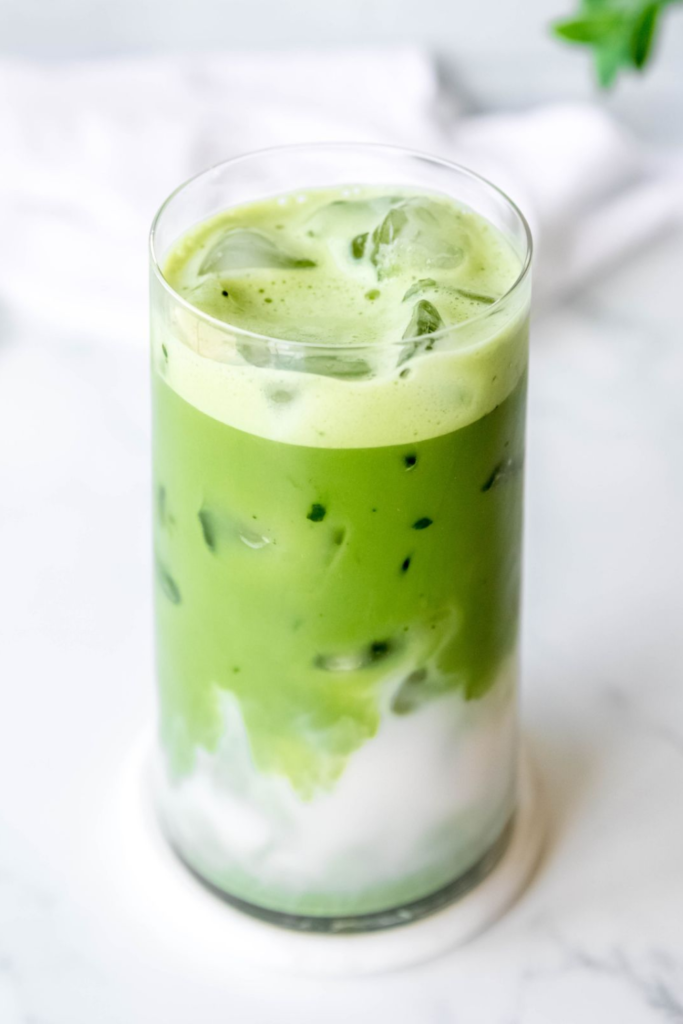

I didn’t plan on becoming someone who makes iced matcha lattes at home. It kind of snuck up on me. One random afternoon, I looked at my bank app after a week of coffee shop runs and thought, yeah… we’re done here.
The Starbucks iced matcha latte was always my order when I wanted caffeine but not the shaky coffee energy. Creamy, lightly sweet, green in a way that feels calm instead of aggressive. I loved it, but I didn’t love the price or the sugar crash that sometimes followed.
So I started messing around in my kitchen. Not in a Pinterest-perfect way. More like clumpy matcha on the counter, milk splashed on my shirt, and a few very questionable first attempts.
Why I bothered trying to copy it at all
I’m not usually into copycat recipes. Half the time they promise magic and deliver disappointment. But this one felt doable. Four ingredients. No fancy skills. No espresso machine lurking on the counter judging me.
Also, I wanted control. Starbucks matcha is sweet. Like, dessert pretending to be a drink sweet. Some days that’s great. Other days, I want the earthy matcha flavor to actually show up.
Once I realized I could tweak sweetness, milk, and strength without ruining it, I was fully in.
The four ingredients I actually use
I’ve tested this a lot. Different milks. Different sweeteners. Different ratios when I’m half asleep and eyeballing everything.
This is the version I keep coming back to.
- Matcha powder
- Hot water
- Milk
- Simple syrup or another sweetener
That’s it. No syrups with long names. No powders pretending to be healthy.
My matcha powder rule
I used to think the most expensive matcha was automatically the best. That’s not true for lattes.
Ceremonial grade matcha is beautiful, bright green, and smooth. It’s also pricey. I save that for when I’m drinking matcha plain.
For lattes, culinary grade matcha works better. It’s stronger, a little more bitter, and it holds its own against milk and sweetener.
Plus, if I mess up a batch, I don’t feel like I just wasted something precious.
Milk choices and why they matter more than you think
I go back and forth between whole milk and 2 percent. Whole milk makes it richer, closer to that coffee shop vibe.
Oat milk is great too, especially if you like a slightly sweeter base without adding more syrup. Almond milk works, but it’s thinner and doesn’t give the same creamy feel.
I learned the hard way that skim milk just doesn’t cut it here. It tastes flat, and the matcha feels harsher.
How I make my iced matcha latte at home
I don’t overcomplicate this. I’ve tried shaking it in jars, blending it, whisking it by hand. This method works every time.
Step one: dissolve the matcha
I add one teaspoon of matcha powder to about a quarter cup of hot water. Not boiling. Just hot enough.
I use a handheld frother because I’m lazy and it breaks up clumps fast. A whisk works too, but you’ll need more effort.
This step matters. If the matcha isn’t smooth here, it won’t magically fix itself later.
Step two: sweeten while it’s warm
I stir in my sweetener right away. Usually two or three teaspoons of simple syrup.
I taste it. Always. Matcha varies a lot, so what worked yesterday might not work today.
Step three: ice and milk
I fill a tall glass with ice. Then I pour in cold milk.
Finally, I add the matcha mixture. Sometimes it makes pretty layers. Sometimes it doesn’t. Either way, I stir before drinking.
Why my version tastes different than Starbucks
This version has a stronger matcha flavor. That’s intentional.
Starbucks leans sweet. Mine leans earthy and creamy with just enough sweetness to balance it.
If you want it closer to theirs, add more syrup. There’s no wrong answer here.
Hot matcha latte days still exist
Even though this is about iced matcha, I still make it hot when it’s cold outside or when my stomach wants something gentle.
The process is basically the same. Dissolve matcha in hot water. Sweeten it. Add hot milk.
I foam the milk sometimes. Other times I don’t bother. Depends on my mood.
Caffeine without the crash
This is a big reason I keep coming back to matcha.
One teaspoon of matcha has about half the caffeine of coffee. It hits slower and lasts longer.
I don’t get that jittery, anxious feeling. And I don’t crash hard mid-afternoon.
For me, it’s the perfect middle ground.
Starbucks Iced Matcha Latte Copycat Recipe That I Actually Make on Repeat
Description
Make the best Starbucks Iced Matcha Latte at home with only 4 simple ingredients! This refreshing, creamy green tea latte comes together in just a few minutes and is the perfect way to start your day or enjoy as an afternoon pick-me-up. Lightly sweetened and customizable, this copycat version delivers a stronger matcha flavor and less sugar than the café version—plus it costs just a fraction of the price!
ingredients
Matcha Latte
Simple Syrup (Optional, Makes ~8 servings)
Instructions
Simple Syrup (Optional)
-
In a small saucepan over medium heat—or in the microwave—combine sugar and water. Heat until sugar fully dissolves. Cool and store in a sealed jar in the fridge for up to 2 weeks.Makes enough for about 8 lattes.
Iced Matcha Latte
-
In a tall glass or small bowl, whisk together matcha powder and hot water until smooth and frothy. A handheld electric milk frother works best to eliminate clumps.
-
Stir in simple syrup (or honey) and any optional add-ins like cinnamon or vanilla.
-
Fill a serving glass with ice. Pour in the milk, then top with the prepared matcha mixture. Stir gently and enjoy immediately.
Hot Matcha Latte (Optional Variation)
-
Whisk matcha and hot water in a mug until frothy. Add sweetener and optional flavorings.
-
Heat milk until steaming (use a stovetop or electric milk frother). Pour over matcha mixture, stir, and enjoy.
Nutrition Facts
Servings 1
Serving Size 1 cup (approx. 12 oz)
- Amount Per Serving
- Calories 120kcal
- % Daily Value *
- Total Fat 5 gg8%
- Saturated Fat 3 gg15%
- Trans Fat 0 gg
- Cholesterol 20 mgmg7%
- Sodium 95 mgmg4%
- Potassium 250 mgmg8%
- Total Carbohydrate 15 gg5%
- Dietary Fiber 0 gg0%
- Sugars 14 gg
- Protein 4 gg8%
- Calcium 150 mg
- Iron 0.5 mg
* Percent Daily Values are based on a 2,000 calorie diet. Your daily value may be higher or lower depending on your calorie needs.
Note
- Make it keto-friendly: Substitute simple syrup with sugar-free monk fruit or erythritol-based syrup.
- Use culinary-grade matcha: It’s more affordable and perfect for lattes. Save ceremonial grade for traditional tea drinking.
- Prep ahead: Mix matcha, milk, and sweetener in a sealed jar and refrigerate for up to 2 days. Shake before pouring over ice.
- For extra creaminess: Use barista-style oat milk or whole milk.

Frequently Asked Questions
Can I make this without simple syrup?
Yes! You can use honey, maple syrup, or a sugar-free alternative. Just ensure it’s well dissolved—mixing it with the hot water helps.
Is Starbucks matcha real matcha?
Starbucks uses a sweetened matcha blend that contains sugar and ground green tea. This recipe uses pure matcha powder, giving you better control over sweetness and quality.
How much caffeine is in a matcha latte?
About 70 mg per teaspoon of matcha—roughly half the caffeine in a regular cup of coffee. Perfect for a gentle energy boost!