

 View Gallery
1 photo
View Gallery
1 photo
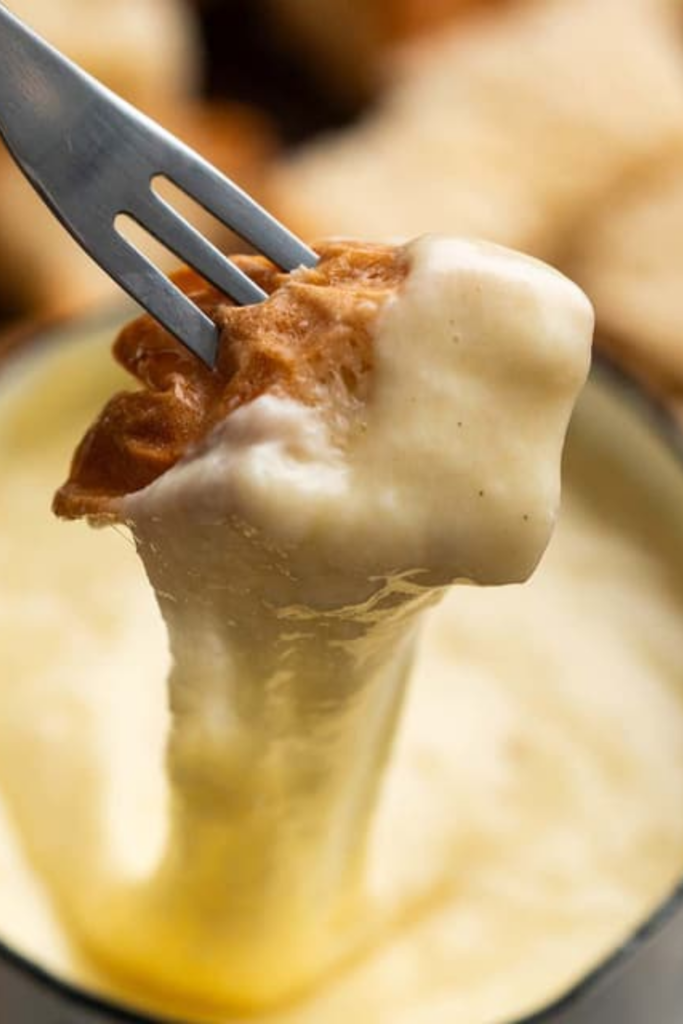
There’s something about a pot of melted cheese that feels like a hug from the inside. It’s more than a meal; it’s an event. The gentle bubble of the pot, the laughter around the table, the careful balancing act of a bread cube on a long fork—it’s pure, unadulterated comfort.
Having lived in Switzerland, I’ve seen firsthand how seriously they take their fondue. It’s the heart of alpine cuisine, a dish born from practicality that became a national treasure. After a long, cold day on the slopes, there is truly nothing better.
But you don’t need a mountain view to enjoy it. With the right cheeses and a little know-how, you can bring that warm, communal magic right to your own dining table. Let’s dive into how to create a classic cheese fondue that’s perfect for sharing.
Finding the Perfect Cheese Blend
Your cheese selection is everything. It’s the foundation of flavor and texture. The classic Swiss mix, called *moitié-moitié*, is half Gruyère and half Vacherin Fribourgeois.
Gruyère brings that distinctive, slightly nutty depth, while Vacherin Fribourgeois is a semi-soft cheese that melts into incredible creaminess. It’s a fantastic, authentic combination.
For my taste, I like to soften the blend a bit. I add a good Camembert to the mix. Its mild, buttery flavor makes the fondue a little less assertive and wonderfully smooth. Don’t worry about finding a French one; a Swiss-made, pasteurized version works perfectly.
Ultimately, the best cheese for fondue is the one you love to eat. Feel free to experiment with other melters like Comté or Emmental. I’ve even made fondue from a leftover cheese platter, and it was delicious.
Ingredients Needed for the Recipe
Gather these simple ingredients. The magic is in their combination, not their complexity. Use a dry white wine that you’d happily drink a glass of, as its flavor shines through.
- Camembert (500g / 18 oz): Provides a mild, creamy base. Remember to remove the rind.
- Gruyère (400g / 14 oz): Offers a nutty, robust backbone to the flavor.
- Vacherin Fribourgeois (400g / 14 oz): The secret to a luxuriously smooth, creamy texture.
- Dry White Wine (625 ml / 2 ½ cups): The liquid base that brings everything together and adds acidity.
- Cornflour/Cornstarch (6 tsp): The crucial stabilizer that prevents the cheese and wine from separating.
- Kirsch (3 tbsp): A clear cherry brandy that subtly brightens the fondue. Grappa is a fine substitute.
- Garlic Cloves (1-2): For just a whisper of aromatic flavor in the background.
- Freshly Ground Pepper: For seasoning at the end.
The Art of the Fondue Pot
Your equipment matters, but it doesn’t have to be fancy. A heavy cast-iron fondue pot is my favorite. It holds heat so evenly, keeping your cheese perfectly molten for the entire meal.
You’ll also need a stand and a burner for the table. I actually use a set meant for a *fondue chinoise*, which is just a Swiss take on a hot pot. It works beautifully. If you’re in a pinch, a sturdy saucepan will do for making the fondue on the stove.
Just be sure to transfer it to a serving dish that can be kept warm. There’s nothing sadder than a cooling, clumping fondue halfway through dinner.
How to make Cheese Fondue?
The process is straightforward, but a few key steps ensure a silky, stable result. I always make the fondue on the stovetop first, where I have more control, then move it to the tabletop pot.
Step 1 – Prep the Cheese
Start by removing any rind from all the cheeses. The rind won’t melt smoothly and can leave little tough bits in your fondue. Chop or grate the cheeses into small, uniform pieces.
This helps them melt quickly and evenly when they hit the warm wine. I find chopping into small cubes works just as well as grating and is a bit less fuss.
Step 2 – Heat the Wine
Pour your dry white wine into your fondue pot or a heavy-bottomed saucepan. Place it over medium heat and bring it to a gentle simmer. You should see small bubbles forming around the edges.
Don’t let it boil vigorously. We’re just taking the chill off and getting it ready to welcome the cheese. Some people like to rub a halved garlic clove around the pot first for flavor.
Step 3 – Melt the Cheese
Once the wine is simmering, start adding your cheese, a handful at a time. Use a whisk to stir constantly in a figure-eight pattern. This encourages the cheese to melt evenly into the wine, rather than clumping.
Be patient here. Let each addition melt completely before adding the next. You’ll see the transformation from wine with cheese bits to a homogenous, creamy liquid.
Step 4 – Bind with Cornstarch and Kirsch
While the cheese is melting, mix the cornflour and Kirsch in a small bowl until it forms a smooth slurry. Once all the cheese is melted and smooth, whisk this slurry into the pot.
This step is non-negotiable. The cornstarch binds the cheese and wine, creating a stable emulsion that won’t separate. The fondue will thicken noticeably and become glossy.
Step 5 – Season and Serve
Give the fondue a taste. I like to add a clove or two of peeled garlic right into the pot, along with a generous grind of black pepper. The garlic will perfume the fondue gently as it sits.
If the fondue seems too thick, simply thin it with a splash more wine. It should be thick enough to coat a piece of bread, but not so heavy that it sits in a gloppy mass. Transfer to your tabletop pot, light the burner, and you’re ready to go.
Building the Perfect Fondue Spread
What you dip is almost as important as the dip itself. The classics are non-negotiable for me, but I love adding a few extra touches to make it a complete, balanced meal.
Start with a great loaf of crusty bread, cut into bite-sized cubes. I use a mix of white and wholemeal for variety. Some swear by slightly stale bread, but I prefer the soft interior of a fresh loaf.
Next, boiled new potatoes, served piping hot. They make the meal more substantial. I keep mine warm in a special fabric bag filled with cherry pits, but a bowl covered with a tea towel works too.
Then, the all-important tangy elements. Tiny, tart cornichons are essential. Their sharp crunch cuts through the richness perfectly. I also adore pickled baby corn and silverskin onions for the same reason.
Beyond that, get creative. Slices of crisp green apple eaten between bites are refreshing. For a real treat, offer a plate of crispy bacon bits to sprinkle on top. And yes, I’ll admit it—a few chunks of fresh pineapple are a delightfully sweet contrast.
Tips
- Always make your fondue base on the stovetop first for the best control over the heat, then transfer it to your tabletop pot.
- If your fondue ever becomes too thick during the meal, a splash of warm white wine will bring it right back to the perfect consistency.
- Leftover fondue keeps well in the fridge for 2-3 days. Reheat it gently on the stove, whisking in a little extra wine to loosen it up.
- Stir the pot constantly as you eat! A gentle figure-eight motion with your bread-covered fork keeps the fondue emulsified and prevents burning on the bottom.
- At the end, you’ll find a golden, crispy layer of cheese at the bottom of the pot. In our house, this prized “*religieuse*” is fought over—it’s the cook’s treat.
What to Drink with Your Feast
The drink pairing is part of the tradition. The general rule is to serve what’s in the pot. We always have a bottle of the same dry white wine used in the fondue on the table.
In some regions, it’s common to sip a clear schnapps or grappa alongside, which certainly helps digestion. For a non-alcoholic option, hot black tea is the classic Swiss recommendation.
There’s an old wives’ tale that you should never drink cold water with fondue, but a small study actually debunked that. Still, I stick with the tea—it just feels right.
The most important ingredient, of course, is good company. Cheese fondue is a slow, shared experience. It’s about conversation, laughter, and the simple joy of gathering around a pot of something delicious. So light the burner, pour the wine, and dig in.
Classic Swiss Cheese Fondue Recipe
Description
Cheese melted in white wine … could there be anything more delicious? In Switzerland, cheese fondue is hugely popular, and this is hardly surprising given that the country is a proud and world-famous producer of many excellent varieties of cheese.
ingredients
For the cheese fondue
To serve
Instructions
-
Remove the rind from the Camembert and chop all cheeses into small cubes.
-
Heat the white wine in a large fondue pot or heavy saucepan until it simmers gently.
-
Gradually add the cheese to the wine, stirring constantly with a whisk until fully melted and smooth.
-
In a small bowl, mix cornflour (cornstarch) with Kirsch until smooth.
-
Slowly whisk the cornflour mixture into the melted cheese until thickened to a light, dippable consistency. Add more wine if too thick.
-
Add garlic cloves and season with freshly ground pepper.
-
Transfer to a fondue pot on a stand with a medium flame if not already using one. Serve immediately with bread, potatoes, and pickles.
-
Stir frequently while eating to keep the fondue emulsified. Enjoy the crispy cheese layer (‘la religieuse’) at the bottom as a treat!
Nutrition Facts
Servings 4
Serving Size per serving (approx. 1/4 of recipe)
- Amount Per Serving
- Calories 1096kcal
- % Daily Value *
- Total Fat 79.5g123%
- Saturated Fat 50.2g252%
- Cholesterol 254.7mg85%
- Sodium 2215.4mg93%
- Potassium 290mg9%
- Total Carbohydrate 6.1g3%
- Dietary Fiber 0.1g1%
- Sugars 1.2g
- Protein 69.6g140%
- Calcium 1800 mg
- Iron 1.5 mg
* Percent Daily Values are based on a 2,000 calorie diet. Your daily value may be higher or lower depending on your calorie needs.
Note
- Make ahead: Fondue can be made 2–3 days in advance and reheated gently with extra wine.
- Wine tip: Use a dry white wine you’d enjoy drinking—like a Swiss Chasselas or Sauvignon Blanc.
- Vegetarian option: Ensure cheeses are made with microbial rennet if needed.
- Leftovers: Reheat slowly on stove, whisking continuously, and thin with wine as needed.

Frequently Asked Questions
How to thin a cheese fondue?
If your cheese fondue is too thick, simply thin it with some more white wine.
Can you reheat cheese fondue?
Yes, you can reheat cheese fondue on low-medium heat until it gently simmers. Whisk continuously to emulsify the mixture again.
What to do with leftover cheese fondue?
Leftover cheese fondue can be kept in the fridge for 2–3 days. Upon reheating, you may need to thin the mixture with some more white wine.
Can I make this without alcohol?
Yes—simmer the wine for 3–5 minutes to cook off most alcohol before adding cheese, and omit the Kirsch. The flavor will be milder but still delicious.